


Vietnam, a rapidly developing nation, relies on diverse energy sources to meet its growing demand for electricity and economic development. Currently, fossil fuels, particularly coal and oil, dominate the energy mix, contributing around 50% of the country’s total electricity generation.
Vietnam relies on a variety of energy sources to meet its growing demand for electricity:
- Coal: Coal is the most widely used energy source in Vietnam, accounting for approximately 41.6% of the total energy output in 2019. It is primarily used for electricity generation.
- Hydropower: This has been significantly developed in Vietnam, contributing about 37.7% of total electricity production in 2019. The largest hydropower plants include Sơn La, Hòa Bình, and Lai Châu.
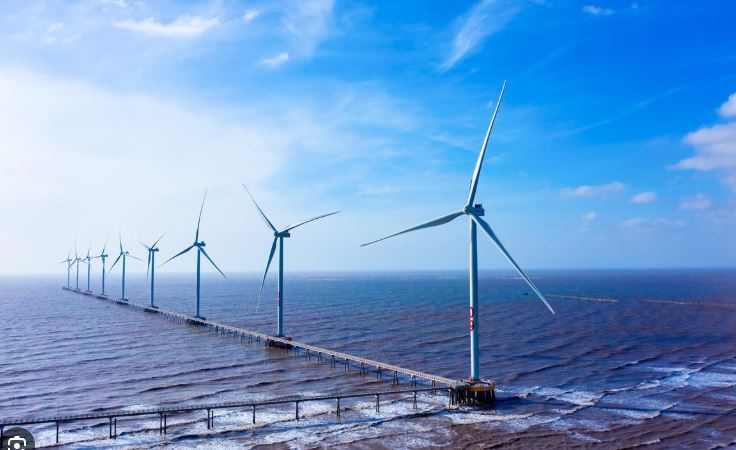
- Wind Power: Wind energy has seen rapid development in recent years, generating 3.61 billion kWh and accounting for around 4.2% of total electricity production in 2022.
- Solar Power: With an average annual solar radiation of about 5 kWh/m²/day, Vietnam has favorable conditions for solar power development, making it a key renewable energy source.
- Biomass: Widely used in agricultural production, biomass energy contributed 321 million kWh in 2021, representing 0.13% of the total electricity output. It is derived from food crops, industrial plants, and organic waste.
- Nuclear Power: Vietnam’s National Assembly has approved plans for nuclear power development. Although yet to be operational, this project aims to establish a new energy source that aligns with the country’s long-term energy security strategy.
Vietnam continues to diversify its energy portfolio, balancing traditional and renewable sources while addressing environmental challenges and ensuring sustainable growth.