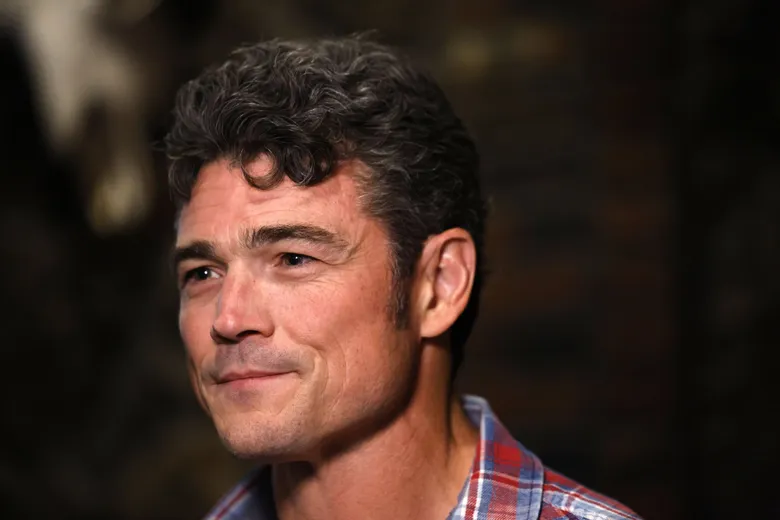
Few senior US intelligence officials have ever reversed their position on a war so completely, then resigned publicly because of it. Joe Kent did exactly that, and the reversal raises more questions than it answers.
On January 8, 2020, Kent, then a retired Delta Force officer, wrote directly to Trump on X: “We should not sit and wait… wipe Iran’s ballistic capability out.” He worried that US troops in Iraq had become sitting targets and argued that the absence of American casualties reflected the professionalism of US forces, not Iranian restraint.
Six years later, on March 17, 2026, writing as Director of the National Counterterrorism Center, with full access to classified intelligence on Iran, he wrote: “Iran posed no imminent threat to our nation. We started this war due to pressure from Israel and its powerful American lobby.”
This was not a subtle shift. It was a complete reversal.
The only explanation he offered was “after much reflection.” No specific intelligence report, no named meeting, no concrete turning point. He accused himself of having been deceived by a disinformation campaign from the Israel lobby and American media, drawing a parallel with the false premises that led to the Iraq War in 2003. Then he said nothing more.
That silence may be deliberate. During nearly eight months at NCTC, Kent had access to the real intelligence picture on Iran, not the open-source information a retired veteran reads in 2020. If the classified data contradicted the official rationale for the war, he could not say so publicly without violating laws on classified material. “After much reflection” may be the only legally permissible way he could express it.
The FBI had already opened a criminal investigation into Kent for allegedly leaking classified information, begun months before his resignation, not after. That timing matters. It suggests the process by which he came to change his mind, and how he handled sensitive information during that period, is already under scrutiny, though no formal conclusions have been reached.
Trump responded within minutes, reposting Kent’s 2020 tweet alongside a comment calling him “very weak on security.” The move was vintage Trump: use an opponent’s own words to destroy their credibility, while sending an unmistakable signal to other officials that internal dissent will be publicly exposed.
Kent did not respond. Since a brief post reading “Sure. Let’s go.” on March 18, his account has gone silent.
The most striking detail in this entire story is not what Kent said but what he did. He could have stayed quiet, feigned support and kept his job. He chose not to. Whatever his true reasons, that is the behaviour of someone acting on principle, or at least someone who believes they are.
The real question is not why he changed his mind. It is what he saw during those eight months that the rest of us have not.