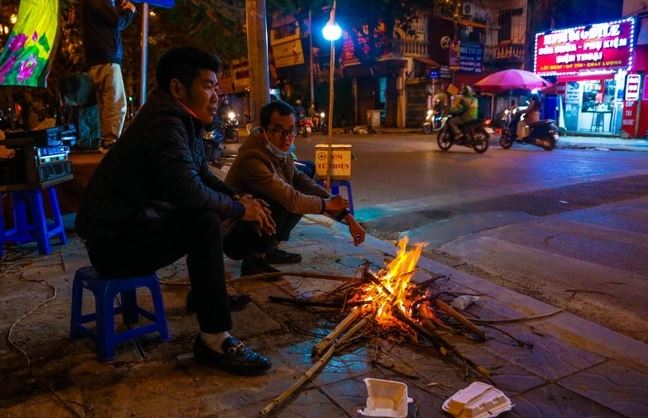
Many foreigners are surprised by winter in Vietnam. On paper, the numbers look mild. Temperatures in northern Vietnam usually hover below 10°C during cold spells, and only in high mountain areas do they occasionally drop below freezing. Yet people often describe the cold as sharper, more penetrating, and harder to endure than much colder winters in Europe or North America.
The difference lies not in the thermometer, but in how the cold is experienced.
A Damp Cold That Seeps Into Everything
Vietnam’s winter cold is defined by humidity. Cold air arriving from the north meets moist tropical air, creating a damp environment that makes the cold feel heavier. Moisture in the air reduces the body’s ability to retain heat, allowing cold to creep through clothing and linger on the skin. This “wet cold” is fundamentally different from the dry cold typical of continental climates.
In Europe and North America, winter air is often dry. Even at much lower temperatures, thick insulation and dry conditions help the body trap warmth. In Vietnam, the cold feels closer and more intimate, clinging rather than biting from a distance.
Wind and Low Sunlight Amplify the Chill
Winter in northern Vietnam often comes with persistent overcast skies and a steady northeast wind. Without strong sunlight, buildings and streets fail to warm up during the day. The wind strips away body heat, making 8°C in Hanoi feel far colder than the same temperature in many Western cities.
This combination of wind, humidity, and weak sunlight creates a cold that feels relentless, even though it rarely reaches extreme lows.
Buildings Are Not Designed for Cold
Another major difference is infrastructure. Homes in Vietnam are built to release heat, not retain it. Thin walls, open ventilation, and a lack of central heating mean indoor temperatures often match outdoor conditions. In contrast, European and North American homes are insulated and heated, turning winter into an indoor season.
As a result, people in Vietnam experience the cold continuously, day and night, with little refuge indoors.
Mountain Cold Versus Lowland Cold
In high altitude areas such as Sa Pa or Ha Giang, temperatures can occasionally fall below 0°C. This cold is closer to what foreigners expect, crisp, dry, and sometimes accompanied by frost or even snow. Ironically, many find this mountain cold easier to tolerate than the damp chill of the lowlands.
The lowland winter, especially in cities like Hanoi, is colder in a psychological and physical sense because it is inescapable.
A Different Kind of Winter
Vietnam’s winter is not about extreme temperatures, but about exposure. The cold is wet, windy, and persistent, and daily life continues largely outdoors. For newcomers, the shock comes from underestimating it.
In Vietnam, 10°C can feel like 0°C elsewhere, not because Vietnam is colder, but because its cold behaves differently. It is a reminder that climate is more than numbers. It is how the environment interacts with the human body, architecture, and habits of daily life.